The Crude Truth About Oil (revised ed.)
Thea-Sophie van Schlanbusch-Eissenhover exposes the unsavoury truths concealed by "big olive oil".

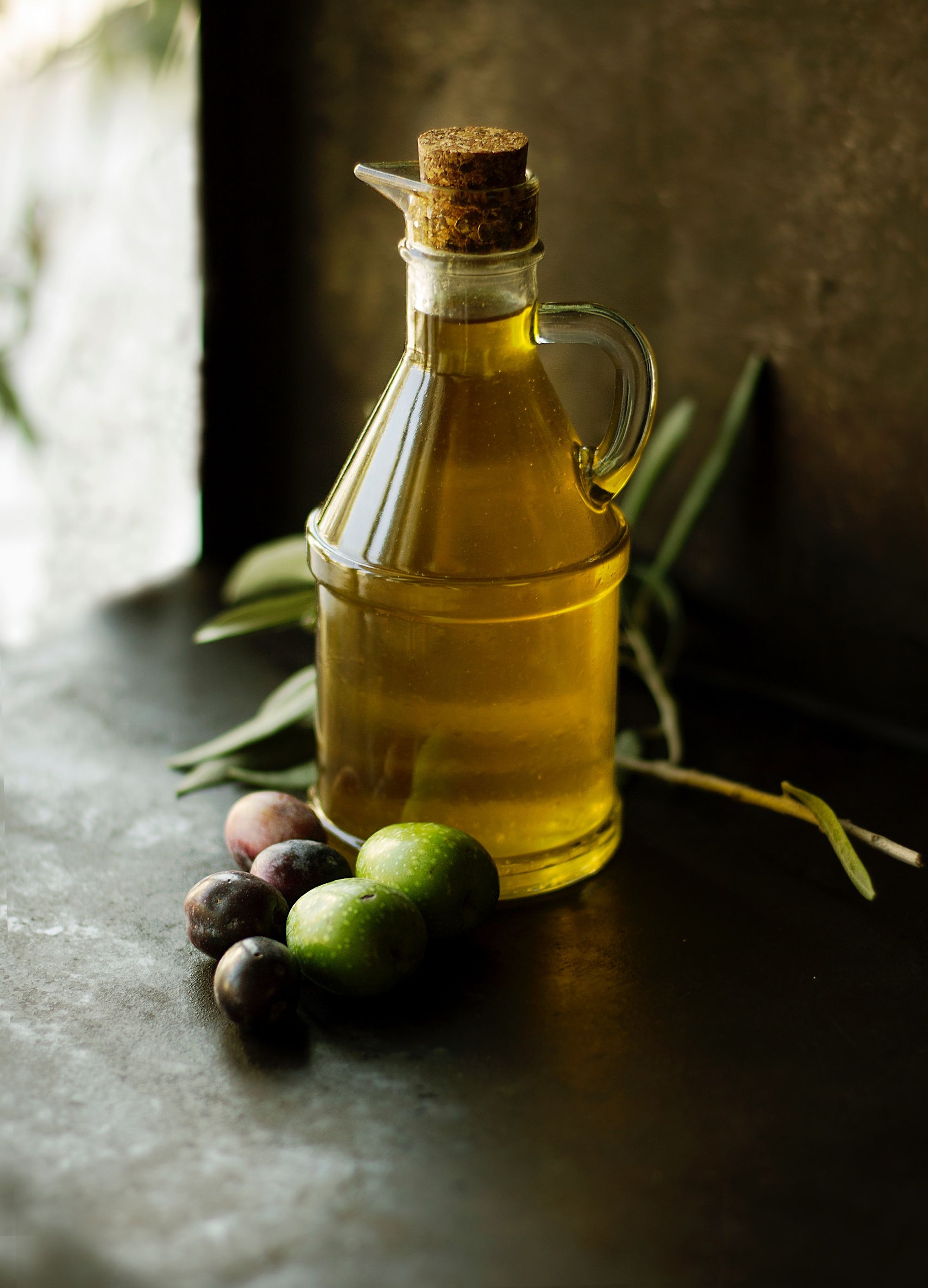
A compelling new study, now reissued for a wider audience, reveals the shocking truths big olive oil is trying to hide from you, the innocent consumer.
The Crude Truth About Oil (revised edition), by Thea-Sophie van Schlanbusch-Eissenhover
Ecological Publishing Co-operative of Christiania, 452 pp, 1495kr, January 2019
The serpentine hiss of gold falling against the deep midnight black of the pan, on the fast downward trajectory of a shooting star; the slow dissolving of a trail into the liquid depths of gin-clear waters; the sheen that represents the crowning glory of a salad prepared on one of those long summer evenings during which life seems tantalisingly infinite... There is little doubt that olive oil possesses immense beauty, but the dangers of being drawn to that beauty are revealed in Thea-Sophie van Schlanbusch-Eissenhover's courageous exposé of the avaricious "big olive oil" industry, now reissued for the far larger audience it undoubtedly merits.
In a brief introductory section, van Schlanbusch-Eissenhover reveals herself as a recovering devotee of the "wellness" cult that maintains such a steely grip on the contemporary middle-class mind. During her twenties, she followed a rigorous diet involving a minimum of five spoonfuls of olive oil per day, convinced that oil was the best natural source of the "antioxidants" and "monosaturated fats" required in order to live a long and healthy life. The following chapter is devoted to the spurious statistics suggesting a clear correlation between olive oil and longevity, mining a rich seam of human gullibility. When offered the promise of a longer life, we don't often pause to check the size of the control group or the intellectual honesty of the initial study. Credit, then, must go to van Schlanbusch-Eissenhover for possessing the courage required to do more than take big olive oil's claims at face value.
Not content with simply overturning the mathematical myths perpetrated by the industry, van Schlanbusch-Eissenhover also offers a vital feminist critique of the language used in olive oil marketing. She rightly points out the dangers of associating the phrase "extra virgin" with purity or discernible health benefits, calling for a more sex positive re-evaluation. Olive oil, as van Schlanbusch-Eissenhover highlights, can offer an intensely sexual experience, and a chapter detailing its possible uses in the bedroom (or outside the bedroom, for the more adventurously inclined) offers a critical stimulus to the sex positive olive oil revolution.
In conclusion, The Crude Truth About Oil is more than a mere book. It is a gift, and a catalyst for an overdue and much-desired recalibration of our outdated world view.
NOTE: the reviewer of this book has now received an e-copy, courtesy of the publisher, and wishes to apologise for some misunderstandings in his review of the first edition.